
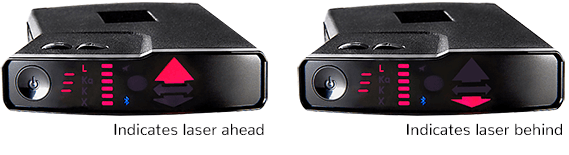
Description
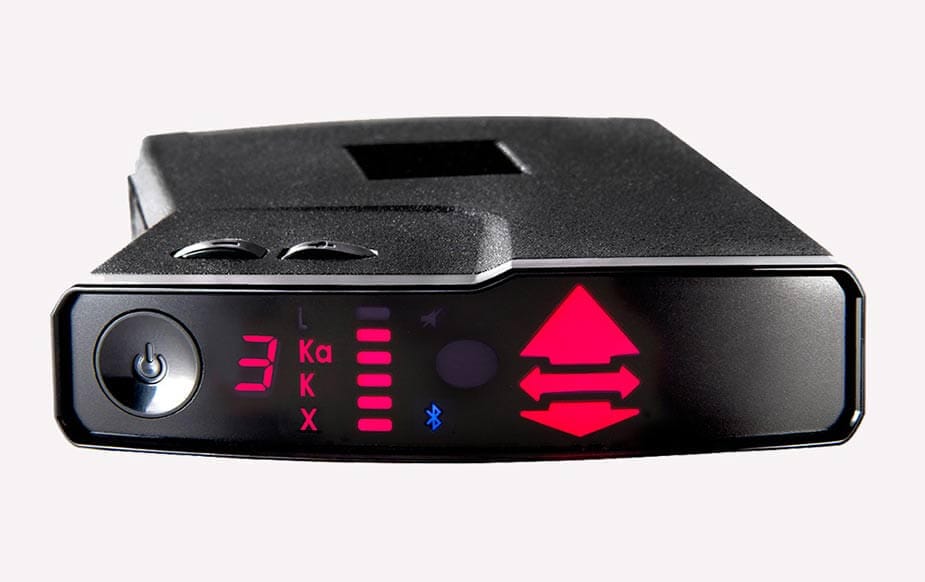
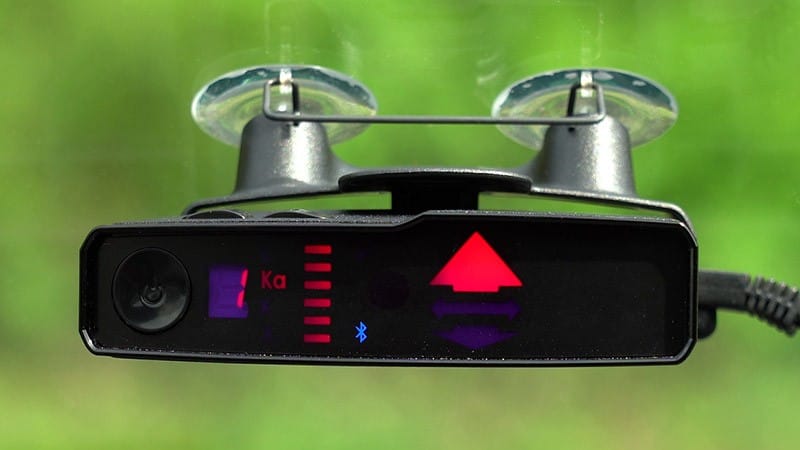
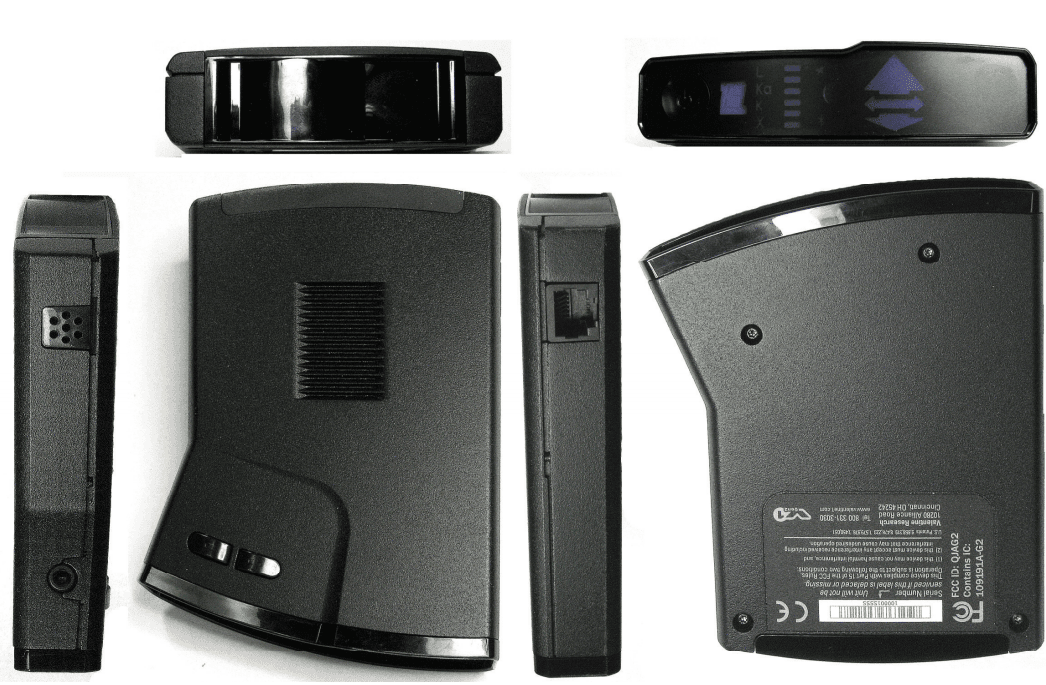
Valentine V1 Gen 2 NZ
Why We Don’t Stock the Valentine V1 Gen 2 in NZ
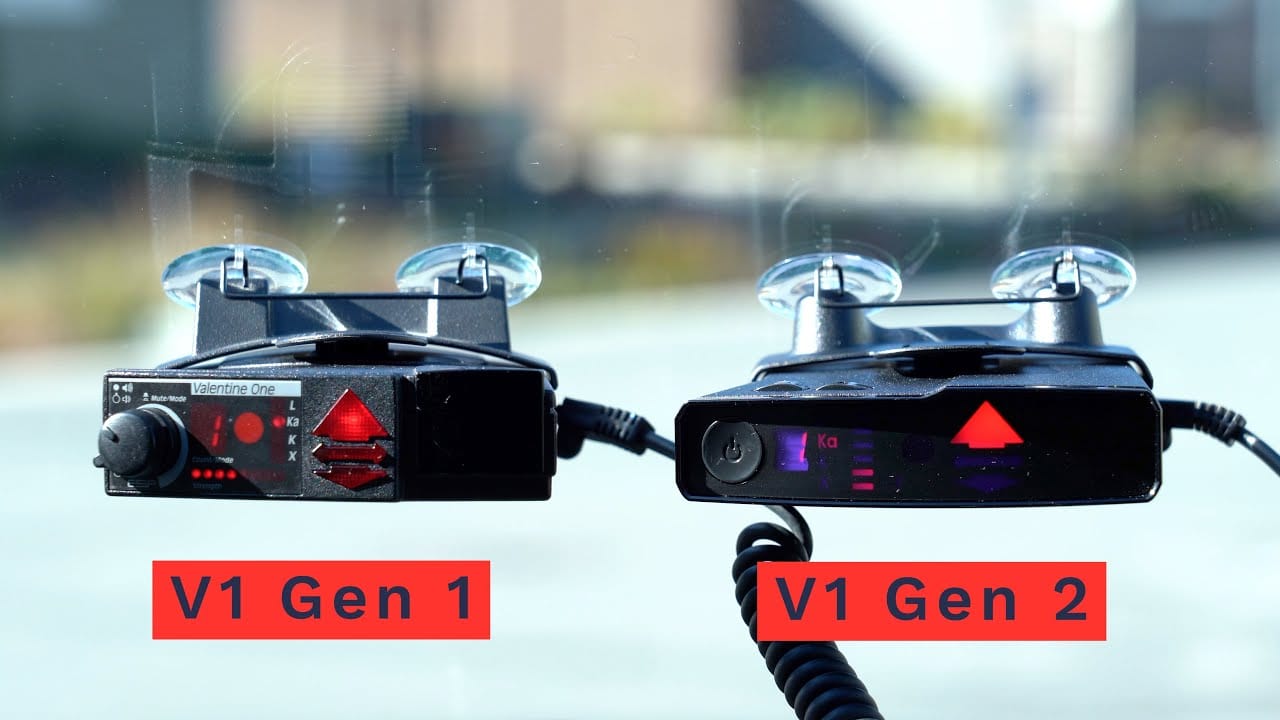
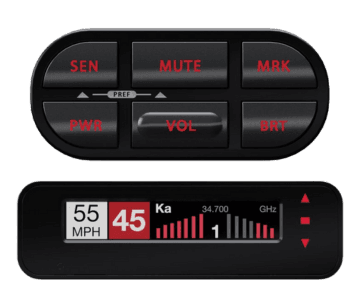
In March 2019, Valentine Research abruptly stopped producing the original V1 radar detector. There was considerable speculation about why — one persistent rumour was that the components needed to maintain its distinctly 1980s aesthetic were simply no longer available.
Several months later, Mike Valentine announced the first new V1 in over 20 years. The Valentine V1 Gen 2 arrived with significant fanfare among radar detector enthusiasts — particularly in the United States, where Valentine Research is based and where it can be purchased directly.
We don’t sell it. Here’s exactly why.
The Valentine V1 Gen 2 Has No Official NZ Presence
This isn’t a minor inconvenience—it’s a fundamental problem for any New Zealand buyer:
- No official sales outlet outside the USA
- No warranty support outside the USA
- No repair agent outside the USA
- No spare parts outside the USA
If something goes wrong with your V1 Gen 2, your options are to ship it to the United States and wait, or write it off. For a detector priced at the premium end of the market, that’s not an acceptable support situation. Every Uniden and Escort product we sell has local NZ warranty support. The Genevo products we stock have a 3-year warranty handled in Auckland. The V1 Gen 2 has none of that.
The Valentine V1 Gen 2 in NZ — The GPS Problem
The V1 Gen 2 has no built-in GPS. To access GPS-based features — fixed camera locations, average speed zones, speed limit display — you need a smartphone running a companion app connected via Bluetooth. That means your phone needs to be mounted, connected, and running a third-party app every time you drive.
Every current-generation detector we stock has GPS built in. The Uniden R8, Escort MAX 360c, and Escort Redline 360c all handle GPS natively, with no phone required. In New Zealand, where average speed camera zones are an increasing reality, having reliable GPS integration without dongles or apps isn’t optional — it’s the baseline.
Is the Valentine V1 Gen 2 Actually Better?
This is the core question. If the V1 Gen 2 were remarkably superior in performance, the support and GPS limitations might be worth discussing. But it isn’t — at least not by a margin that justifies the tradeoffs for a New Zealand buyer.
“Remarkably better” would mean something measurable:
- Demonstrably superior range on Ka band
- Reliable camera van detection without excessive false alerts
- Tighter, more accurate GPS database for NZ conditions
- Simpler operation without apps, dongles, or workarounds
Independent testing from sources like Vortex Radar — the most thorough English-language radar detector testing resource available — places the V1 Gen 2 as a competitive detector but not a dominant one. The Uniden R8 NZ and Escort Redline 360c trade blows with it across most test scenarios.
What We’d Recommend Instead
If you’re researching the Valentine V1 Gen 2 in NZ, the most direct alternatives worth comparing are:
- Uniden R8 NZ — built-in GPS, NZ warranty, comparable Ka sensitivity
- Escort Redline 360c — 360° directional arrows, built-in GPS, Bluetooth connectivity
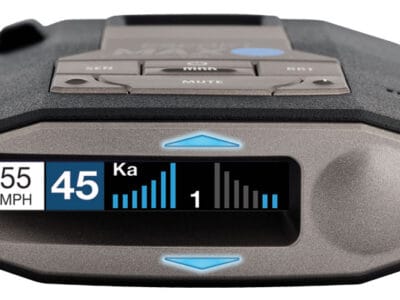
- Escort MAX 360c — GPS, directional display, strong false alert filtering
All three are available now, with full NZ support.
Of course, this is our assessment based on what we stock and what we’d stand behind. To be clear, the Valantine V1 is not a terrible detector. It’s very capable – it has range, it detects KA band (police radar). But that’s it. and for the money (or less) there are a number of alternatives that do that and more already.
We’d parallel import the V1 Gen 2 ourselves if there were a compelling reason to. There isn’t one — yet.
Reviews
There are no reviews yet.