
Description
Uniden R4NZ
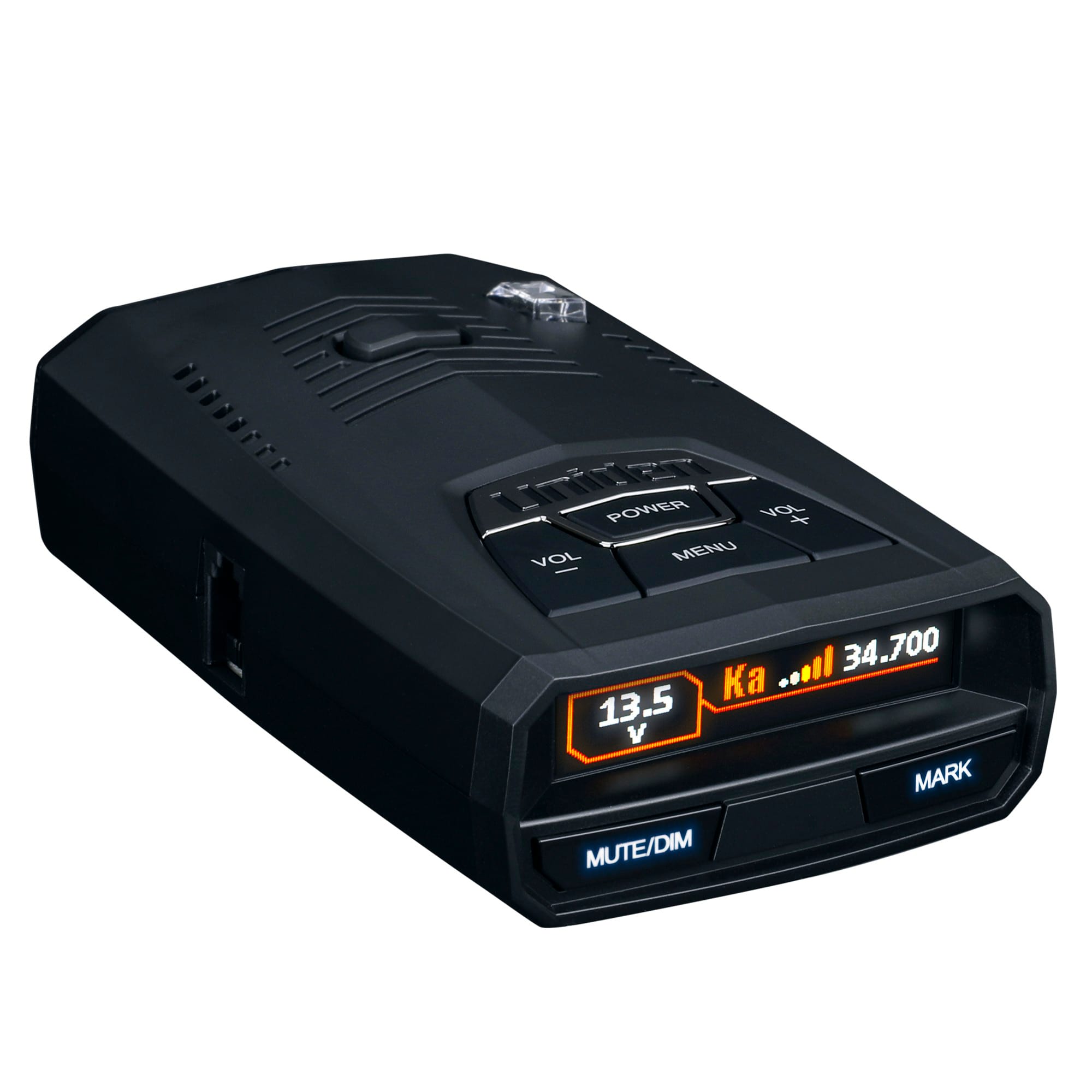
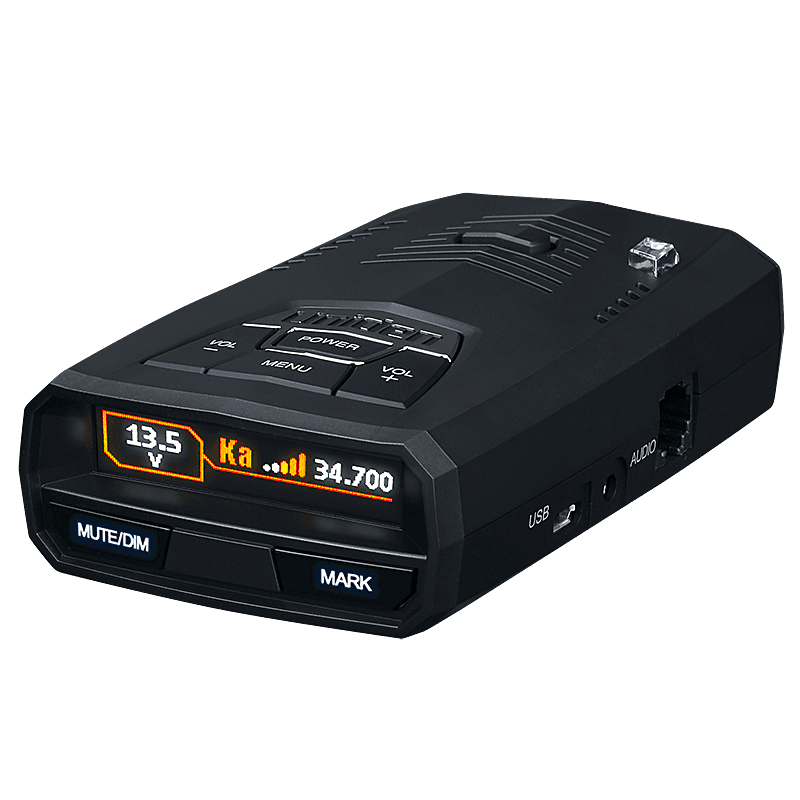
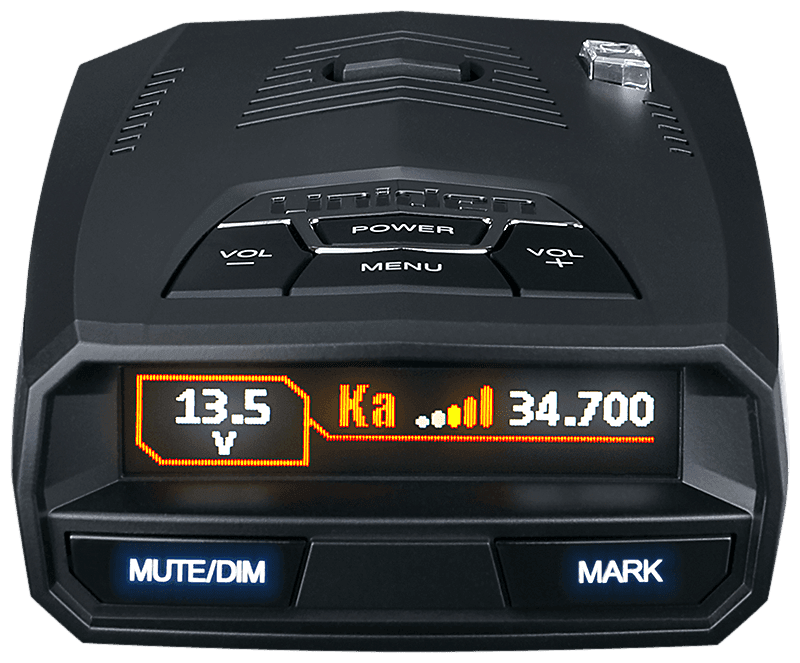
The Uniden R4 is a long-range GPS radar detector built for New Zealand drivers who want reliable protection without complexity. No directional arrows, just a detector that beeps when it matters, pre-configured to eliminate false alerts before it leaves us.
One important note: Coming Soon — Major Firmware Update: Uniden has confirmed a significant firmware update for the R4nz later in 2026 adding bus lane camera alerts, average speed camera zone alerts, and enhanced mobile speed camera detection. Buy now and get the update when it arrives — free via USB.
Long Range Detection
The R4 uses Dual LNA (Low Noise Amplifier) technology with a Digital Signal Processor for excellent detection range. One of the best-performing single-antenna detectors tested in its price range — it will alert you well before you reach most radar threats on New Zealand roads.
360 Degree Detection — Simplified
The Uniden R4 NZ detects radar from all directions. Unlike the Uniden R8 NZ, it doesn't have directional arrows — so you won't know if the threat is ahead or behind. For most drivers that's not a problem. If it beeps, ease off. Simple.
If directional awareness matters to you, look at the Uniden R8 NZ instead. If you just want a detector that works without overthinking it, the R4 is the better value choice.
NZ GPS Speed Camera Database
Fixed and static speed cameras are covered via the GPS database. Keep your firmware updated via USB and your R4 will alert you to fixed camera locations before you reach them.
Zero-False Settings — Configured Before Dispatch
Before we send the Uniden R4nz out to you, we open the box and adjust the settings to eliminate false alerts. Using factory settings you'll get alerted about Advanced Driver Assistance Systems in other cars, automated doors, road paint and other common false alert sources. With our settings, if it makes a noise, slow down. Don't think about it.
Bluetooth built in
Pair it with your phone and install an app like R/Tach app, Dukes, Highway Radar, or Radar Companion
Features
- Dual LNA long-range detection
- GPS database — fixed speed and red light cameras
- Multi-colour display
- Voice notifications
- Auto Mute Memory
- Quiet Ride — speed-based auto mute
- Overspeed alerts
- Advanced filtering
- Upgradeable firmware and database via USB
- Two suction mounts included
- Cigarette adapter with mute key and USB port
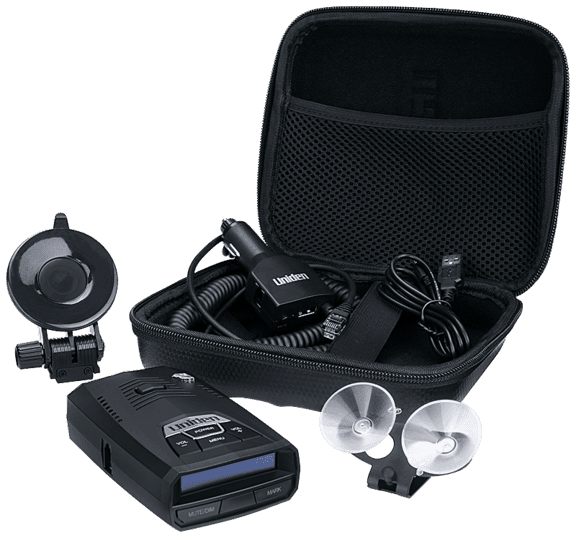
What's in the Box
- Uniden R4 radar detector
- Single suction mount
- Double suction mount
- Cigarette adapter with mute key and USB port
Local NZ Warranty — Supported in Auckland
All Uniden products sold by NZ Radars are sourced through the official Uniden NZ distributor BluLink, based in East Tamaki, Auckland. Local warranty support, no overseas shipping required.
Uniden R4 NZ vs Uniden R8 NZ — Which Should You Buy?
The R4 suits drivers who want straightforward protection at a lower price point. The Uniden R8 nz adds directional arrows, average speed camera alerts, and bus lane camera alerts. If you drive highways regularly or want to know which direction a threat is coming from, the R8 is worth the extra investment. If you want a reliable detector that just works — the R4 more than delivers.

Uniden R4nz vs Uniden R3 — Which Should You Buy?
The Uniden R3nz and R4nz are more similar than different — both are single-antenna long-range detectors with GPS, voice alerts, and NZ firmware configured before dispatch. The R3 is around $300 less and remains one of the most reliable detectors we sell.
The key difference is Bluetooth. The R4nz has Bluetooth built in, allowing you to pair with apps like R/Tach, Highway Radar, Radar Companion or Dukes for crowd-sourced alerts and additional functionality. The R3 doesn't have this.
The R4nz also has a faster processor — you'll notice quicker response times and slightly better filtering. For most New Zealand drivers, the R3 is more than capable. If you want Bluetooth connectivity and the latest generation hardware, the R4nz is worth the extra investment.
Reviews
There are no reviews yet.